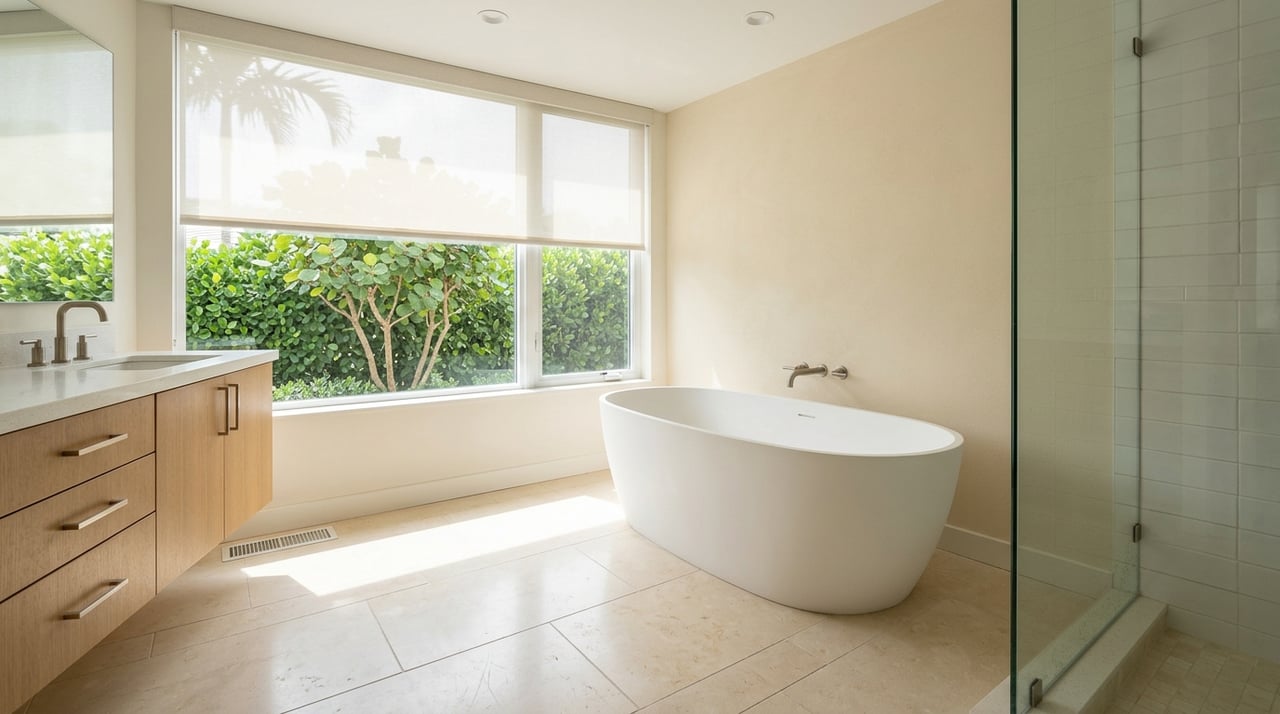
Longboat Key vs Siesta Key for Your Second Home
May 21, 2026
May 21, 2026
Trying to choose between Longboat Key and Siesta Key for a second home? You are not alone. Both islands offer beautiful coastal living, strong appeal for seasonal owners, and a similar top-line price range, but the day-to-day ownership experience can feel very different. If you want to know which island better matches your budget, lifestyle, and rental goals, this guide will help you sort it out. Let’s dive in.
At first look, these two markets seem close. In April 2026, Longboat Key had a median listing price of $1.15 million, while Siesta Key was at $1.1275 million.
But the sold-price picture is more telling. Longboat Key posted a median sold price of $1.30 million, compared with $865,000 on Siesta Key. Longboat Key also had 329 homes for sale and 107 rentals, while Siesta Key had 393 homes for sale and 260 rentals.
That tells you something important right away. Even with similar headline list prices, Siesta Key currently offers more lower-priced options in the mix, especially on the condo side.
If your goal is to get onto the island at the lowest possible entry point, Siesta Key has the edge in the current market. Neighborhood examples there include Siesta Harbor around $438,000, Bay Oaks around $439,500, and Whispering Sands around $699,500.
Longboat Key also has a range, but the lower end starts a bit higher in many cases. Examples include Seaplace around $679,000, Beachplace around $999,000, Longboat Key Club around $1.72 million, and Country Club Shores around $3.40 million.
For buyers looking at luxury inventory, both islands can deliver. For buyers trying to balance second-home enjoyment with a more moderate entry price, Siesta Key currently gives you more flexibility.
Longboat Key is currently classified as a buyer’s market, while Siesta Key is considered balanced. That can matter if you are hoping for a bit more negotiating room or a less pressured search.
The median days on market also show a slower pace on both islands than many buyers expect. Longboat Key sat at 92 median days on market, and Siesta Key was at 107 days.
Sale-to-list ratios were also close, at 94% for Longboat Key and 95% for Siesta Key. In plain terms, buyers on either island may find room for negotiation, but market conditions still depend heavily on the specific property, building, and price point.
Neither Longboat Key nor Siesta Key is a true new-construction market overall. If you are shopping for a second home on either island, you are mostly looking at homes and condos built from the 1960s through the 1990s.
On Longboat Key, 65.8% of housing units are multifamily and 31.4% are single-family. The largest building periods were 1970 to 1979 at 38.0%, 1980 to 1989 at 21.7%, and 1990 to 1999 at 19.0%. Only 1.1% of the housing stock was built from 2010 to 2020, and the town notes that little vacant land remains.
Siesta Key also leans older. Point2Homes reports a median construction year of 1976, with the largest share built in 1970 to 1979 at 35.8%, followed by 1980 to 1989 at 21.6% and 1960 to 1969 at 18.2%. Only 0.4% of the housing stock is 2020 or later.
The practical difference is this: Longboat Key feels more condo-oriented overall, while Siesta Key offers a somewhat broader housing mix. If you want low-maintenance condo living, both islands work well, but Longboat Key is especially heavy on multifamily inventory.
For many second-home buyers, rental flexibility is a deciding factor. This is one of the clearest differences between Longboat Key and Siesta Key.
On Longboat Key, rentals of residentially zoned property are generally allowed, but unless the property is grandfathered as a tourism use or located in a tourism-zoned district, each rental period must be at least 30 consecutive days. If rentals are under six months, the town requires registration and a business tax receipt.
On Siesta Key, Sarasota County’s barrier-island guidance says leases in RMF districts on the barrier islands may be less than 30 days, and short-term rental use is allowed. In RSF districts, leases must be at least 30 days and short-term rental use is not allowed.
That means Siesta Key generally offers more short-term rental potential, but you still need to look closely at the exact zoning and the community rules. For example, Midnight Cove requires a one-week minimum stay, while Peppertree Bay requires a 28-day minimum.
If your second home needs stronger vacation-rental optionality, Siesta Key is usually the better fit. The combination of barrier-island RMF zoning and more rental inventory points to broader opportunities, depending on the building and association.
If you are less focused on short stays and more interested in personal use with occasional month-plus rentals, Longboat Key may feel simpler and more aligned with your goals. Its general 30-day minimum in residential zones creates a more predictable ownership model for many seasonal buyers.
The key is not to judge by island name alone. On either island, the exact property, zoning, and association rules should drive the final decision.
Price and rental rules matter, but so does how a place feels when you arrive. This is where the contrast between Longboat Key and Siesta Key becomes especially clear.
Longboat Key is known for a quieter, more polished, residential atmosphere. Official tourism materials highlight manicured surroundings, high-end boutiques, five-star restaurants, and easy access to Sarasota’s cultural attractions and St. Armands Circle.
Siesta Key has a more active, village-centered energy. Visit Sarasota County describes Siesta Key Village as a small downtown area a few blocks from the beach with more than 100 shops, bars, restaurants, and hotels, plus free trolley service and a mix of dining and nightlife options.
If you picture your second home as a calm retreat with easy access to upscale dining and arts, Longboat Key may be the cleaner match. If you want a beach-town setting with more walkable activity and a social buzz, Siesta Key may suit you better.
Longboat Key offers strong access to Sarasota’s broader dining and cultural corridor. The City of Sarasota notes that the Bay Runner connects downtown Sarasota, St. Armands Circle, and Lido Beach, giving you a useful path to arts, dining, nightlife, leisure, and recreation.
That connection can be especially appealing if you want quiet at home but still want Sarasota’s restaurants, shops, and cultural venues nearby. It gives Longboat Key a nice balance between retreat and convenience.
Siesta Key keeps more of the action close to home. If you enjoy being able to spend the day near the beach and move into dinner or evening activity without leaving the island area, Siesta Key offers a more concentrated social setting.
Longboat Key is often the better fit if you want:
This island tends to appeal to buyers who want a refined coastal base and a less busy day-to-day environment.
Siesta Key may be the stronger fit if you want:
For buyers who want flexibility, activity, and more vacation-rental upside, Siesta Key often stands out.
If your priority is quiet luxury, a more owner-use-friendly setup, and convenient access to Sarasota’s upscale dining and cultural scene, Longboat Key is likely the better second-home choice. If your priority is village energy, more short-term rental potential, and a wider range of lower-entry condos, Siesta Key is likely the stronger match.
The best choice comes down to how you plan to use the property. Your ideal second home is not just about price. It is about the rhythm of your time there, the level of rental flexibility you want, and the kind of coastal lifestyle that feels right to you.
If you want experienced local guidance as you compare island condos, review rental considerations, or narrow down the right fit for your goals, Lori Madden can help you make a confident decision.
Stay up to date on the latest real estate trends.
Rely on decades of experience, local expertise, and dedicated service to make your next move seamless and successful.

LORI MADDEN
ADDRESS 100 WALLACE AVE STE 100 SARASOTA FL 34237