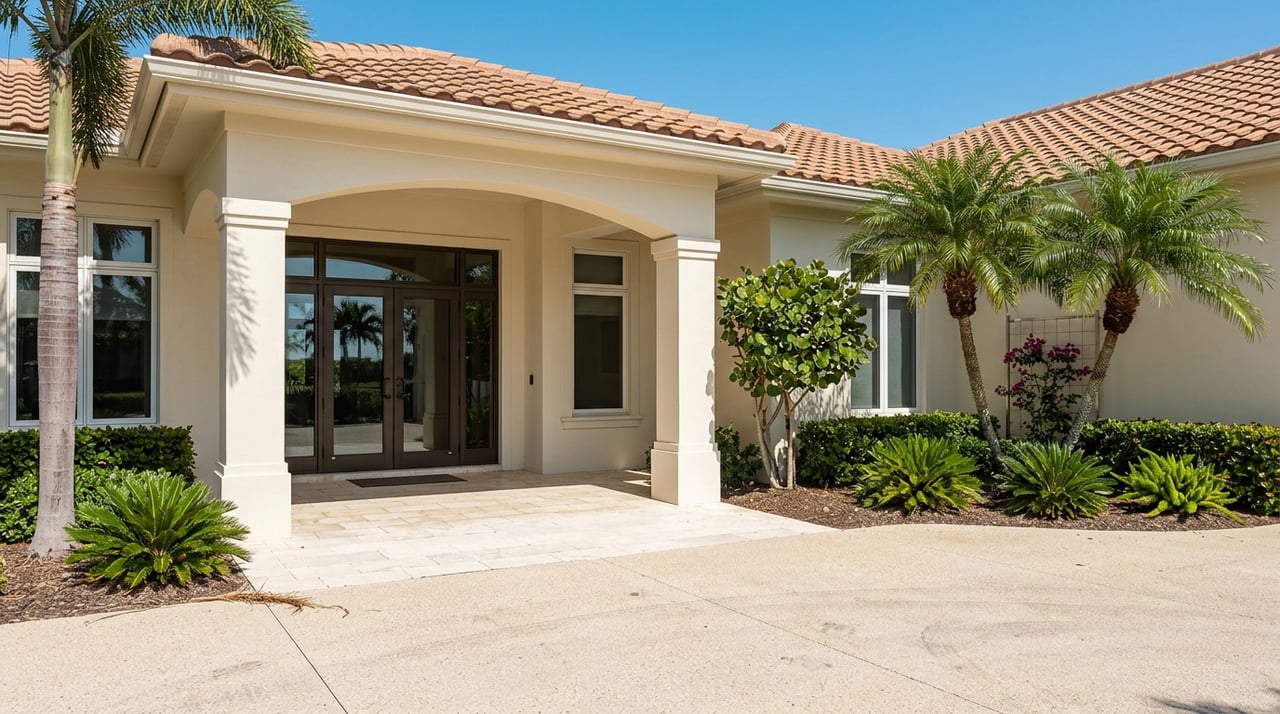
How To Sell Your Siesta Key Condo When You Live Elsewhere
June 18, 2026
June 18, 2026
If you own a Siesta Key condo but live somewhere else, selling it can feel like a logistics puzzle. You may be wondering how to handle prep, paperwork, association documents, and closing details without getting on a plane every week. The good news is that Florida law supports many remote sale steps, and with the right local process, you can stay organized, protect your timeline, and keep your sale moving. Let’s dive in.
If you are selling from out of town, you do not need to assume every step requires you to be in Sarasota. Florida law gives electronic records and electronic signatures legal effect when the parties agree to transact electronically. Florida also allows electronic notarization and online notarization when statutory requirements are met.
That legal framework makes remote signing and many closing tasks much more manageable. In practice, though, convenience only works when the file is organized early and the association timeline is watched closely. That is especially true for condo sales on Siesta Key, where buyers often pay close attention to association documents and building-related disclosures.
A smooth remote sale usually begins with a local walkthrough of the unit. That first step helps you identify what needs attention before the condo hits the market, from minor repairs to cleaning, staging, and access planning.
You also need a practical system for keys, fobs, vendor entry, and showing access. If you live elsewhere, these small details matter more because you cannot solve them in person at the last minute. A local listing specialist can help turn those moving parts into a clear plan.
Before listing, create a written punch list for the condo. This can include touch-ups, maintenance items, deep cleaning, and anything that may affect photos or buyer impressions.
When you handle this early, you avoid scrambling once interest picks up. It also makes it easier to coordinate service providers while the property is still off-market.
Presentation matters, especially for coastal condos that may attract second-home buyers, relocation buyers, or lifestyle-focused shoppers. Professional photography, video, and thoughtful staging decisions can help your property show well online and in person.
For an out-of-area seller, this is where hands-on local guidance can reduce stress. You want the condo to look polished without having to manage every detail from afar.
One of the most important steps in a remote Siesta Key condo sale is building the association document file early. Under Florida law, in a nondeveloper condo resale, the buyer must receive a current set of association documents at the seller’s expense.
That package includes the declaration, articles of incorporation, bylaws and rules, annual financial statement, annual budget, and other required materials. Depending on the property and what applies, it can also include milestone inspection summary documents, the most recent structural integrity reserve study or a statement that none exists, turnover inspection report materials, and required governance and FAQ forms.
This is not paperwork you want to chase after once you are under contract. For remote sellers, early document collection can help prevent delays and give buyers the information they often expect in a coastal condo purchase.
For condo resale contracts after December 31, 2024, Florida law requires contract language that addresses whether certain inspection or reserve study documents have been completed or provided, when applicable. If required disclosure language is missing, or the documents are not properly delivered, the contract can be voidable before closing.
That means your listing file should be treated like part of the sale strategy, not an afterthought. Getting ahead of these items can help you avoid avoidable contract problems later.
Another major step is the association estoppel certificate. Under Florida law, a condominium association must issue an estoppel certificate within 10 business days after receiving a written or electronic request from the owner, the owner’s designee, or a mortgagee’s designee.
If delivered by hand or email, the estoppel is effective for 30 days. If delivered by regular mail, it is effective for 35 days. The certificate identifies important details such as amounts owed, scheduled assessments, transfer or resale fees, open violations, approval or right-of-first-refusal issues, and insurance contact information.
For an owner who lives elsewhere, this document can reveal issues you do not want to discover right before closing. Ordering it early gives you more time to address fees, account balances, or association requirements before the buyer’s timeline gets tight.
An estoppel certificate can bring several important items into focus, including:
Because current owners remain liable for assessments that come due during ownership, clarity here matters. It is much easier to solve these issues early than during the final days before closing.
Florida law supports electronic signatures and online notarization, but that does not mean every document follows the exact same path. Some forms may be e-signed, some may need electronic notarization, and some may require additional association handling or timing controls.
That is why remote sales still depend on coordination between the listing side, the title company, the closing agent, and the association. The smoother that communication is, the easier it becomes for you to sign confidently from another state.
Most remote Siesta Key condo sales do not get stuck because the seller is out of town. They get delayed because key pieces of the condo file are missing or ordered too late.
The most common friction points are usually:
These are exactly the issues that benefit from early planning. When the file is complete and the association timeline is moving, distance becomes much less of a barrier.
If you are not nearby, you need more than basic transaction help. You need someone local who can help keep the condo market-ready, coordinate vendors, monitor document timing, and keep communication clear from list date through closing.
That kind of support is especially valuable on Siesta Key, where condo transactions often involve detailed association materials and buyer questions about the building and community structure. A strong local process helps protect both your time and your peace of mind.
If you want to sell your Siesta Key condo while living elsewhere, focus on these steps first:
This checklist will not remove every detail, but it can help make the process far more manageable.
Selling a condo from another state does not have to feel overwhelming. With Florida’s remote signing options, early condo-document prep, and careful association coordination, you can stay in control of the process without being physically present for every step. If you want experienced local guidance with presentation, coordination, and a smoother path from list to close, schedule your personalized Sarasota market consultation with Lori Madden.
Stay up to date on the latest real estate trends.




Rely on decades of experience, local expertise, and dedicated service to make your next move seamless and successful.

LORI MADDEN
ADDRESS 100 WALLACE AVE STE 100 SARASOTA FL 34237