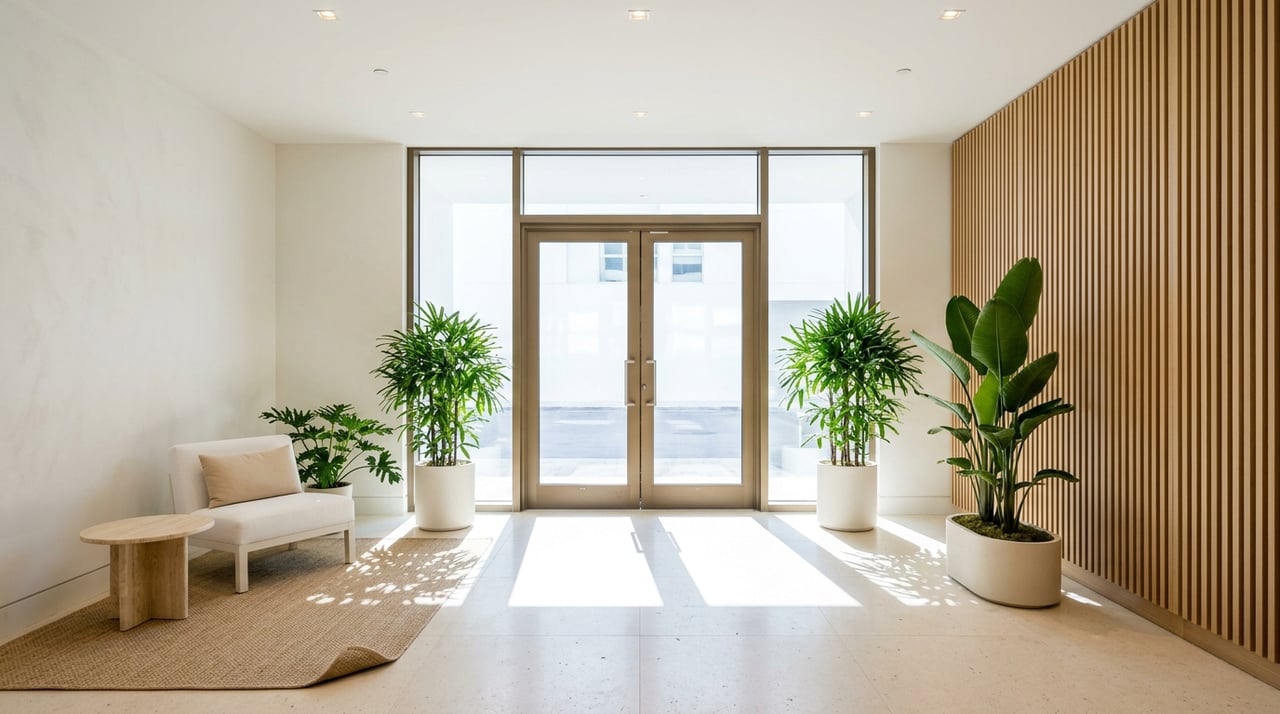
Seasonal Living On Longboat Key: Making A Second Home Work
July 23, 2026
July 23, 2026
If your dream second home includes winter sunshine, easy beach days, and a place that truly feels like an escape, Longboat Key deserves a close look. Seasonal living here can be rewarding, but it works best when you plan for both the lifestyle and the logistics. From weather patterns and storm prep to condo rules and beach regulations, a little preparation goes a long way. Let’s dive in.
Longboat Key is built for part-time living in a way many coastal communities are not. The town spans both Manatee and Sarasota counties, with the Gulf of Mexico on one side and Sarasota Bay on the other, giving you the classic barrier-island setting many second-home buyers want.
It also functions like a true seasonal community. The town reports a permanent population of about 7,532, with winter population rising to around 20,000. That seasonal rhythm means many owners are on the island for a few weeks or a few months rather than year-round.
For many buyers, access matters almost as much as the view. The Town of Longboat Key notes that both Sarasota-Bradenton International Airport and Tampa International Airport offer convenient access, which supports weekend trips, extended winter stays, and fly-in visits throughout the year.
The biggest advantage of seasonal ownership on Longboat Key is being able to enjoy the area during its most comfortable months. Climate data for Sarasota-Bradenton shows January averages 62.4°F with 2.79 inches of precipitation, while July averages 83.1°F with 7.39 inches and August averages 83.4°F with 9.11 inches.
In practical terms, late fall through early spring is usually the easiest window for longer stays. You get milder temperatures, less rain, and the kind of weather that makes beach walks, outdoor dining, and everyday errands feel easy.
Winter is also when the broader Sarasota area tends to be most active culturally. Visit Sarasota notes that the winter season is prime beach weather and often brings a full calendar of holiday, art, music, and cultural events.
That often leads seasonal owners to use the home in two different ways. Winter becomes the time for longer, lifestyle-focused stays, while summer may be better for shorter visits, property check-ins, or quieter off-season use.
If you own a second home on Longboat Key, storm planning is not optional. The Town of Longboat Key states that hurricane season runs from June 1 through November 30, and all residents on the island live in a Level A Evacuation Zone.
That matters even if you are only using the home part of the year. A second home here should be managed with a storm calendar in mind, especially if you plan to be away during the summer and early fall.
Before each season starts, review your evacuation plan and know where you would go if needed. The town also recommends having enough disaster supplies to be on your own for at least 72 hours if you stay during a storm period.
A practical seasonal-owner storm list includes:
For many owners, this is where local support becomes essential. A seasonal home on the Gulf Coast usually works best when someone can check the property, respond quickly, and help you stay ahead of issues.
A second home on Longboat Key should not be treated like a house you simply lock and leave for months. The combination of humidity, storm risk, and maintenance needs makes regular oversight important.
Moisture control is one of the biggest priorities. EPA guidance says indoor humidity should stay below 60%, ideally between 30% and 50%, and damp areas should be dried within 24 to 48 hours.
That means your HVAC system matters even when you are not there. Routine checks, clean drip pans, proper drainage, and fast attention to moisture issues can help prevent small problems from becoming expensive ones by your next visit.
Mail is another easy item to overlook. If you will be gone for a while, USPS offers temporary forwarding for trips from 15 days up to 1 year, and Hold Mail for periods of 3 to 30 days.
A smart departure routine can include:
If your Longboat Key second home is a condo, understanding the association’s role is especially important. Under Florida law, the association is responsible for common-element maintenance and may have the right to access units in certain situations when work is needed or damage must be prevented.
For you, that means the condo documents are not background paperwork. They help define who handles what, how maintenance is managed, and how the building may respond if an issue happens while you are away.
Before leaving for the season, make sure your contact information is current with the association or manager. It is also wise to understand the building’s access procedures and any owner responsibilities that apply when the unit is vacant.
Part of making a second home work is understanding the local routine, not just the real estate. Longboat Key has beach rules that can shape how you use the property during different times of year.
The town says animals are prohibited on beaches, beach accesses, bay accesses, and public parks except for Joan M. Durante Park. It also notes that beaches are not monitored by lifeguards and that public beach or bay access is closed from 11 p.m. to 5 a.m.
If you are buying gulf-front property, sea turtle nesting season is especially important. The Town of Longboat Key says nesting season runs from May 1 through October 31, and properties visible from the beach should turn off or block lighting and remove beach furniture and recreational equipment from the beach each day.
This is more than a seasonal reminder. For gulf-front owners, lighting choices, patio habits, and furniture setup all become part of responsible property use during the summer and early fall.
The town also notes that gulf-front owners can contact Code Enforcement about a Recreational Use Agreement if they want to safely secure beach furniture or equipment. If your plans include long stays or regular hosting, that is the kind of practical detail worth understanding early.
One of the best ways to enjoy seasonal living on Longboat Key is to use the island differently throughout the year. Winter tends to be the social and cultural high season across the Sarasota area, while summer can offer a quieter pace and shorter check-in visits.
The town’s events page includes community items such as meetings and sandbag filling events, while the broader Sarasota area’s winter calendar often features arts, music, holiday programming, and other recurring events. If you like to plan your time around activity, winter often gives you the fullest schedule.
If you prefer a lower-key rhythm, summer may still have value, as long as you plan around weather and storm season. Many seasonal owners find that a mix of longer winter stays and shorter off-season visits gives them the best balance.
The best Longboat Key second-home experience usually comes down to systems. When you align your schedule, maintenance planning, and local awareness, the property becomes easier to enjoy and less stressful to manage.
A strong setup often includes a clear departure checklist, current association contacts, storm readiness, moisture control, and a plan for local check-ins. Those practical habits help protect both your investment and your peace of mind.
If you are still deciding between a condo and a single-family home, or trying to figure out what kind of second home best fits your seasonal routine, local guidance can make the process much smoother. For personalized help navigating Longboat Key and the Sarasota-area coastal market, connect with Lori Madden.
Stay up to date on the latest real estate trends.
Rely on decades of experience, local expertise, and dedicated service to make your next move seamless and successful.

LORI MADDEN
ADDRESS 100 WALLACE AVE STE 100 SARASOTA FL 34237