The Turtle Nest Count Is Falling on Longboat Key. That's the Wrong Number to Watch.
September 24, 2026
September 24, 2026
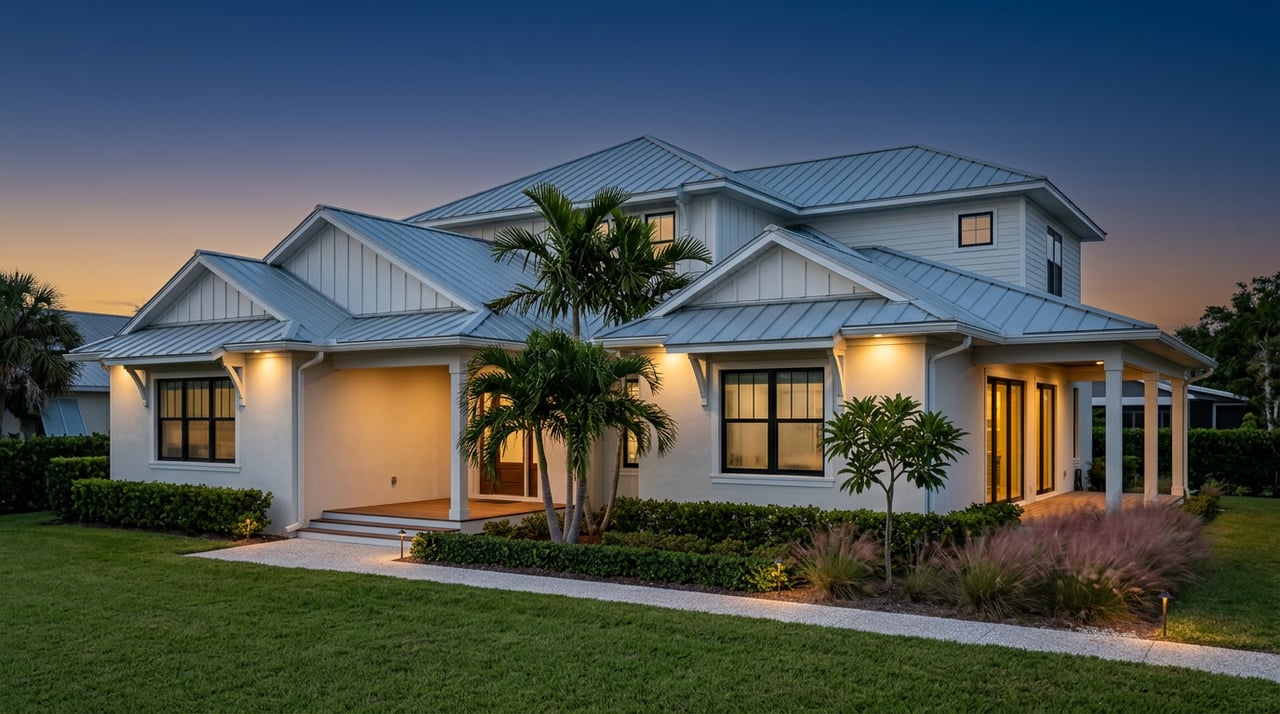
Walk the beach at dusk right now and you'll see the stakes. Wooden markers wrapped in pink tape, planted in loose clusters from the north end down past Beer Can Island, most of them months old at this point. If you've lived on Longboat Key through a full nesting season, you know the rhythm: new stakes appear all summer, the beach fills with them by July, and by September the pace slows enough that it feels like the season is packing up for the year.
That feeling is misleading. The season isn't ending. It's changing shape, and the shape it's taking now is the one where a resident's porch light matters more than it has all year.
In the two weeks before September 8, 2026, Longboat Key logged just three new sea turtle nests. Compare that to July 12 through 25, when the island logged 263 new nests in a single stretch, and the drop looks like the story: fewer turtles, quieter beach, season winding down.
But new nests were never the whole story. Loggerhead eggs take roughly 49 to 58 days to incubate, according to the Florida Fish and Wildlife Conservation Commission, which means most of what got buried in July and August is only now working its way to the surface. As Your Observer reported, Longboat Key Turtle Watch President Jeff Driver put it plainly when the shift became obvious this month:
"The nesting density that peaked a couple months ago, they're all hatching now."
So while the new-nest counter has nearly stopped moving, the number of nests actively hatching right now is close to a season high. The visible slowdown on the sand is covering up the busiest stretch for hatchlings trying to reach the water.
This matters because the moment a nest hatches is also the moment human behavior does the most damage. Hatchlings navigate by the natural light gradient over the Gulf. A porch light, a lit lanai, or an uncovered window facing the beach can pull them the wrong direction entirely.
According to MySuncoast, Longboat Key Turtle Watch reported finding about a dozen dead sea turtle hatchlings near Gulf of Mexico Drive on August 12, 2026. The same morning, 55 dead hatchlings were discovered on Anna Maria Island. Melissa Macksey, data manager for Mote Marine Laboratory's Sea Turtle Conservation and Research Program, described the effort behind the scenes as ongoing pressure on the human side of the equation, working with towns to cut down on the lighting that causes this. Some of the surviving hatchlings from that incident were pulled in for rehabilitation.
Those deaths happened in August, not June, and they happened because of light, not because of storms or predators. That's the pattern worth internalizing: the riskiest weeks for a Longboat Key hatchling aren't during peak nesting. They're during peak hatching, which is the six weeks the island is in right now.
The Town of Longboat Key isn't asking residents to guess at what helps. There's a standing ordinance covering Gulf-facing properties for the entire nesting season, which runs May 1 through October 31 every year:
Beachfront owners who want a workaround for the furniture rule can enter into a Recreational Use Agreement with the Town's Code Enforcement office, which allows equipment to be secured on the beach rather than hauled in daily. It's a detail worth knowing before storing equipment on the sand.
If you spot a downed nest marker, the guidance from Mote and Turtle Watch is consistent: leave it. Storms and king tides move stakes, and Turtle Watch found this out firsthand when the precursor to Tropical Storm Bertha knocked out several markers in mid-August. A missing stake usually doesn't mean a lost nest. Call Longboat Key Turtle Watch or Mote instead of trying to fix it yourself, and if you find actual eggs loose on the sand rather than just a fallen marker, that's the one situation worth reporting immediately rather than waiting.
As of the Longboat Key Turtle Watch's mid-August count, the island had logged 1,297 nests for the season, a pace behind 2025's record year but ahead of 2024. It would be easy to read that as good news, a return to normal after an unusual spike. The context makes that read too simple.
2025 was a record season by nearly every measure Mote tracks: 1,473 nests on Longboat Key alone and roughly 5,700 across the 35 miles of coastline the lab monitors from Longboat Key through Venice. Mote also documented an ironic assist that year. Debris left behind from the 2024 hurricane season ended up shielding a large number of nests from inland lighting, which likely contributed to both the record nest count and a strong hatch success rate.
But 2025 also logged the highest number of disorientation events on record for the area: 717. A record year for turtles laying eggs was also a record year for those eggs going the wrong direction after hatching. More nests didn't mean more safety. It meant more exposure.
As MySuncoast reported, Macksey said that stacking 2026 against 2025's numbers is "kind of silly" given how unusual last year's conditions were. Without last year's accidental debris shield, this year's hatchlings are navigating with less natural cover from the light pollution the ordinance exists to prevent in the first place. Fewer total nests doesn't automatically mean fewer problems on a given night. It means the problem is more exposed.
The season closes October 31, and everything laid this summer still has to make it to the water before then. The leverage residents have over that outcome isn't abstract. It's the switch on the wall.
Shield or turn off any light visible from the beach after 11 p.m. Keep the beach clear of chairs and gear overnight, or get a Recreational Use Agreement if you want to store equipment on the sand legally. Leave stakes and markers alone if you find them down, and call Longboat Key Turtle Watch or Mote Marine if something looks wrong rather than guessing. None of this requires special equipment or a change in plans. It requires remembering that the season isn't over just because the counter stopped climbing.
That's the part of island life that doesn't show up on a portal listing or a welcome packet: the rules that only make sense once you understand the biology behind them, and the people who've been walking this beach at dawn for years to make sure they get followed.
If you're settling into life on Longboat Key and want to know what else falls into that category, from beach access points to the rhythms that make this island different from the mainland five minutes away, Lori Madden at Sarasota Home Pro has spent decades learning it firsthand. Schedule your personalized Sarasota market consultation whenever you're ready to talk through what makes a specific stretch of this coast work for how you actually live.
This article is general information, not legal, tax or financial advice. Consult a qualified professional about your situation.
Stay up to date on the latest real estate trends.


Rely on decades of experience, local expertise, and dedicated service to make your next move seamless and successful.

LORI MADDEN
ADDRESS 100 WALLACE AVE STE 100 SARASOTA FL 34237