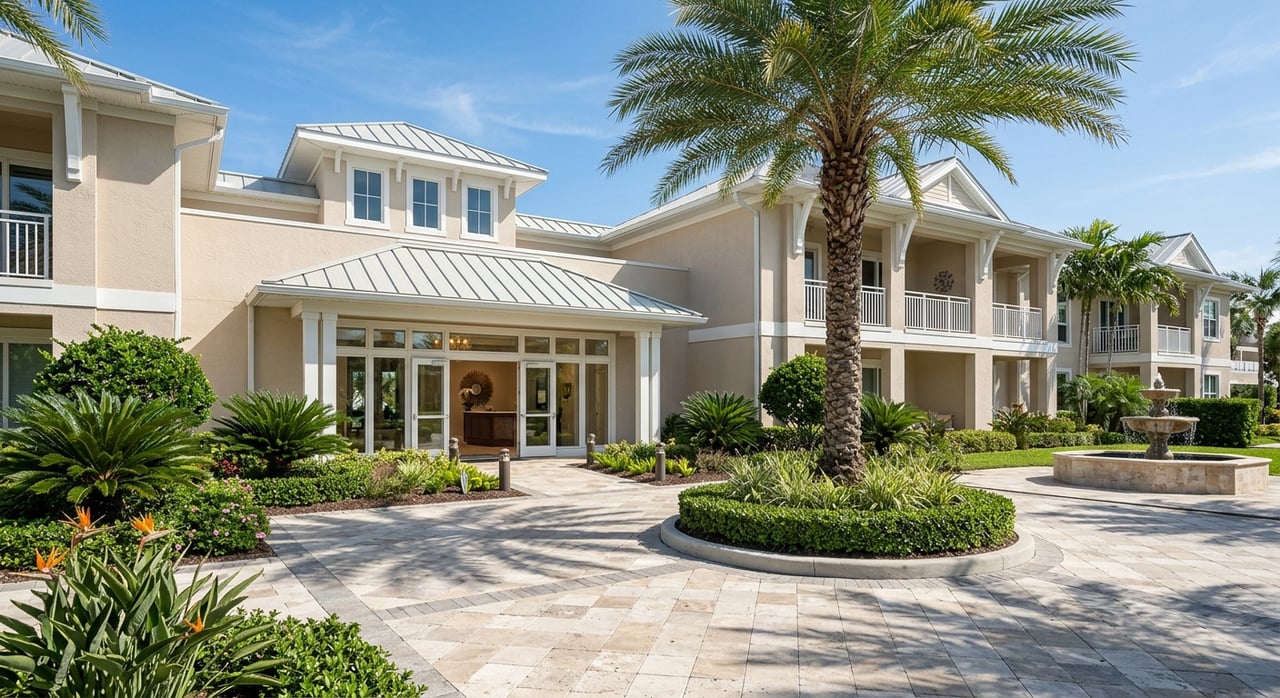
Should You Downsize To A Sarasota Condo Or Stay In A Home?
May 7, 2026
May 7, 2026
If you are thinking about simplifying your next chapter in Sarasota, one question usually rises to the top fast: should you move into a condo or keep the space and control of a home? It is a big decision, especially if you want less upkeep without giving up comfort, privacy, or financial peace of mind. The good news is that Sarasota’s current market gives you real options, and understanding the tradeoffs can help you choose with confidence. Let’s dive in.
In Sarasota County, the January 2026 median sale price was $490,000 for single-family homes and $314,175 for condos and townhomes. That price gap is one reason many downsizers start by looking at condos first. A lower entry point can free up cash, reduce monthly carrying costs, or make a move feel less stressful.
Inventory also matters when you are trying to compare choices. Sarasota had 5.0 months of inventory for single-family homes and 8.9 months for condos and townhomes. In simple terms, that means condo buyers may have more options and, in some cases, more room to negotiate than buyers shopping for a house.
Cash is also playing a big role in this market. Cash purchases made up 45.5% of single-family sales and 68.9% of condo and townhome sales. That tells you the condo segment is active and competitive, especially in the kinds of properties many retirees and second-home buyers consider.
For many people, the biggest draw of a condo is less day-to-day maintenance. If you are ready to spend less time thinking about exterior upkeep and more time enjoying Sarasota, a condo can be a practical fit. That can be especially appealing if you travel often, split time between homes, or simply want a more lock-and-leave lifestyle.
Florida law gives condo associations the power to maintain, repair, and replace common elements and association property. The law also defines common expenses broadly, including items tied to operation, maintenance, repair, replacement, protection, and certain insurance and government-related costs. In real life, that is why condo dues exist and why they can cover more than many buyers expect.
A condo can make sense when your top priority is reducing hands-on responsibility. Instead of managing as many exterior tasks yourself, you are sharing those responsibilities through the association structure. That setup works well for many downsizers who want convenience and predictability in their daily routine.
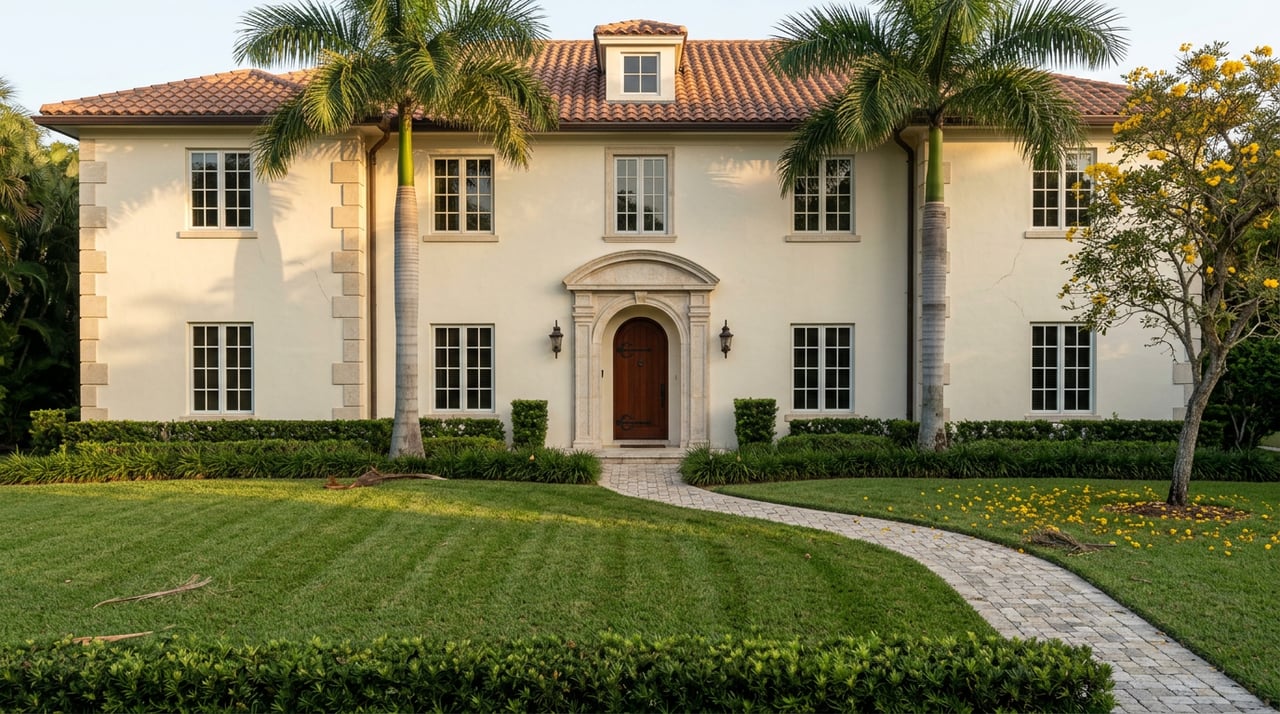
A smaller single-family home can be a better choice if you value privacy, control, and independence. You make more of the decisions directly, from maintenance timing to exterior choices, and you are not operating within the same shared governance structure as a condo association. For some downsizers, that control is worth the extra work.
A house may also feel more comfortable if you still want a yard, extra storage, space for hobbies, or room for visiting family and friends. Downsizing does not always mean moving into the smallest option possible. Sometimes it means finding a home that is easier to manage than your current one while still giving you breathing room.
The tradeoff is responsibility. With a single-family home, more of the repair and replacement burden stays with you. If the roof, landscaping, exterior paint, or major systems need attention, those decisions and costs are usually yours to manage directly.
If you are torn between a condo and a house, a villa may feel like the middle ground. Many buyers like the idea of less exterior upkeep than a detached house with more separation than a standard condo. That can be an attractive balance for downsizers who want convenience without feeling too closely tied to a typical condo setup.
Still, the label alone does not tell you enough. In Sarasota, what matters most is how the property is legally structured, such as condo ownership, fee simple ownership, or another form. Before you decide, you need to know exactly who maintains what and which costs belong to you versus the community.
A condo’s lower purchase price does not always mean a lower total cost of ownership. Monthly dues can cover valuable services and shared maintenance, but they are only part of the picture. Reserve funding, building condition, and possible special assessments can all affect what you actually pay over time.
This matters even more in Florida in 2026 because of current condo rules. For residential condominium buildings that are three habitable stories or higher, Florida requires structural integrity reserve studies that address major components such as the roof, structure, fire protection systems, plumbing, electrical systems, waterproofing, exterior painting, windows, and exterior doors. These rules are designed to improve long-term planning, but they can also influence fees and budgeting.
Florida’s milestone inspection law also applies to condominium and cooperative buildings that are three habitable stories or more. Inspections are required based on the age of the building, and local enforcement agencies may require the first inspection at 25 years for buildings close to salt water. In Sarasota, that means older condos may deserve extra review before you treat the monthly fee as the full cost of ownership.
There is another point to understand. If an association completes a required milestone inspection, Florida law allows it in some cases to pause or reduce reserve contributions for up to two consecutive annual budgets through budgets adopted on or before December 31, 2028, if owners approve. That may help cover immediate repairs, but it can also mean future fees need to catch up later.
If you are seriously comparing condo options, do not stop at the listing price or monthly dues. Ask for a full picture of the building’s financial and physical condition.
Here are smart questions to ask:
For many downsizers, these answers are just as important as the floor plan or view. A well-run building can feel like a great fit. A building with weak reserves or unclear maintenance planning may create more risk than you want in this stage of life.
If your current Florida property has homestead status, your next move may affect your tax picture. In Sarasota County, homestead property has a capped assessed value increase of no more than 3% per year, while non-homestead property can increase by up to 10%. Taxable value is the assessed value minus exemptions, and that taxable value is what is used to calculate the tax bill.
If you are moving from one Florida homestead to another, portability may allow you to transfer some or all of your Save Our Homes benefit to the new homestead within a three tax-year lookback window. When the new home has a lower market value than the previous home, Sarasota County says portability is calculated using the prior property’s market-to-assessed ratio, not simply as a dollar-for-dollar transfer. That is one reason a downsizing move deserves careful planning instead of quick assumptions.
Timing matters too. To qualify for homestead exemption in Sarasota County, the property must be your permanent residence on January 1, and the application is due by March 1. Some homeowners age 65 and older may also qualify for a limited-income senior exemption if they already receive homestead and meet the 2026 household income cap of $38,686, with the benefit amount varying by taxing authority.
It is easy to focus only on how a property fits your life today. But if you are downsizing, it is also smart to think about how your next buyer may view the property later. Sarasota County’s Property Appraiser says value analysis includes location, size, condition, age, market data, and recent sale information.
That means your best choice is not just about lower maintenance or extra privacy. It is also about condition, building health, and ongoing obligations. In a condo, future buyers may look closely at reserves, inspections, and assessment history. In a house, they may focus more on upkeep, age of systems, and overall condition.
If you want the simplest possible daily routine, a condo may be the strongest fit. Sarasota’s lower median condo pricing and higher condo inventory support that search, and the broader selection may help you find the right location and layout. Just make sure you review the building’s documents carefully before you commit.
If privacy, control, and decision-making matter most, a smaller home may be worth the higher price point and tighter inventory. You may take on more responsibility, but you also gain more autonomy. For some downsizers, that tradeoff feels more comfortable and more predictable.
If you want something in between, a villa may be worth a close look. The key is not the name but the ownership structure, maintenance split, and community rules. Once you understand those details, the right answer usually becomes much clearer.
Downsizing in Sarasota is not really about choosing the “best” property type in the abstract. It is about matching your next home to the way you want to live, what you want to spend, and how much responsibility you want to keep. If you want local guidance comparing condos, villas, and smaller homes in Sarasota, Lori Madden can help you sort through the details and move forward with confidence.
Stay up to date on the latest real estate trends.
Rely on decades of experience, local expertise, and dedicated service to make your next move seamless and successful.

LORI MADDEN
ADDRESS 100 WALLACE AVE STE 100 SARASOTA FL 34237