
What It’s Like To Live In A Siesta Key Beachfront Condo
February 5, 2026
February 5, 2026
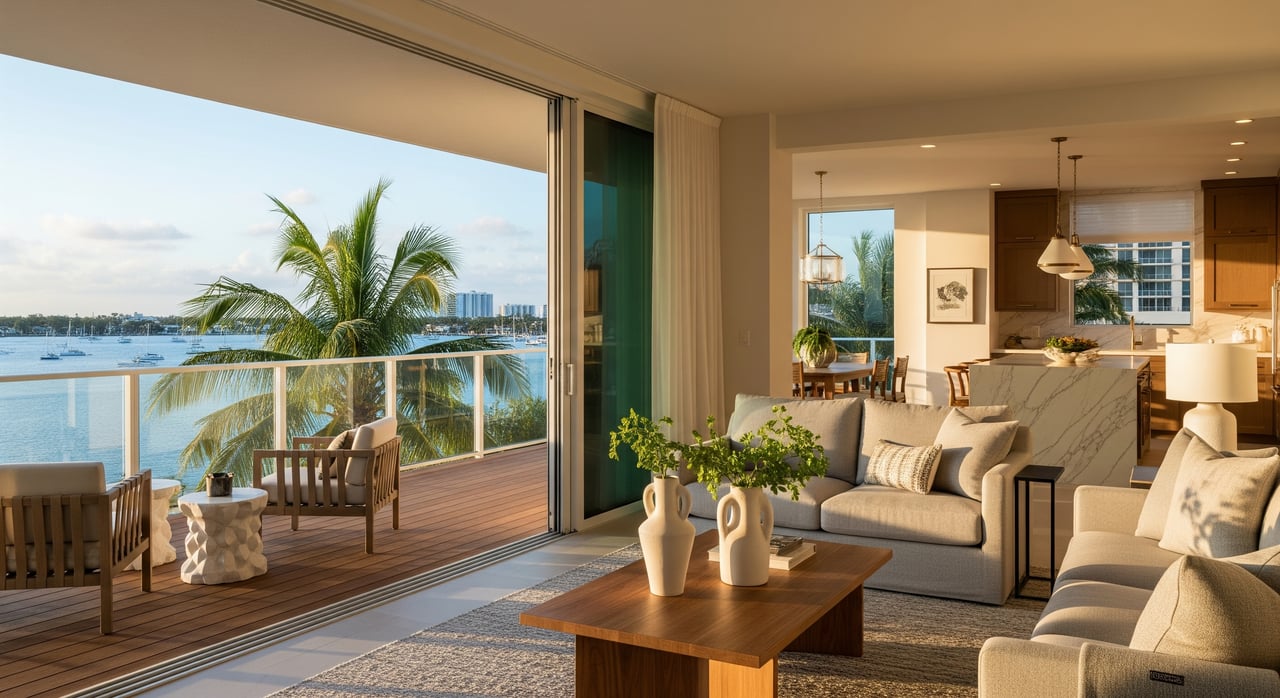
You can smell the salt air before you see the water. If you’re picturing mornings on white quartz sand and sunsets from your balcony, a Siesta Key beachfront condo might be your perfect fit. As an out‑of‑state buyer or retiree, you also want a clear view of the practical side: crowds, HOA rules, insurance, and what daily life actually feels like. This guide gives you a grounded look at lifestyle, costs, and smart due diligence so you can buy with confidence. Let’s dive in.
Many condos on the gulf side have direct or deeded paths to the sand. Others sit across Ocean Boulevard, which means a short walk and a road crossing. You should confirm if the building offers private access or if you’ll share public access points. Ask about any fees or easements tied to beach use.
Siesta Public Beach is a standout amenity with lifeguards and facilities. It draws heavy day‑use traffic in peak season. The sand quality and sunsets are a daily highlight, yet more visitors mean more activity. Your building’s orientation and balcony design influence how much of that activity you see and hear.
Siesta Key Village along Ocean Boulevard is the hub for dining, coffee, shops, and some services. Many beachfront buildings are a short walk from the Village, which makes casual meals and live music easy to enjoy. For larger grocery trips and pharmacy stops, you will likely drive to the mainland near Gulf Gate or Stickney Point. Cultural venues and medical services in Sarasota are a quick bridge drive away.
Two bridges connect the island to the mainland. During peak season and special events, traffic can back up, especially at bridge approaches. Public parking near Siesta Beach and the Village can be limited in the busiest months. Deeded condo parking varies by building, from assigned open spaces to covered garages and guest spots. Confirm the exact number of spaces for your unit and whether they are deeded or assigned.
If you travel often, figure your commute to Sarasota‑Bradenton International Airport. The drive is roughly 20 to 35 minutes depending on traffic. This matters if you plan frequent long‑weekend visits or regular seasonal stays.
Peak season usually runs from November through April. Expect bigger crowds, more live music, and higher evening activity in the Village during these months. Daytime beach activity and delivery vehicles add intermittent noise. Summer weekdays tend to be quieter, but storms can affect beach time. Visit at different times of year to see how the rhythm fits your lifestyle.
Condo living in Florida is shaped by the association. You should request and read the declaration, bylaws, rules and regulations, recent meeting minutes, budgets, financial statements, reserve study, insurance certificates, and any litigation disclosures. Florida condominium law provides buyer rights and records access, and those documents will show how the building operates.
Association rules cover pets, rentals, parking, noise, and amenities. These rules can be strict, especially around short‑term rentals. If flexibility is important for you, check the fine print early.
Monthly condo fees usually cover exterior maintenance, the master insurance policy, common area utilities, landscaping, pool care, and sometimes cable or internet. Inclusions vary by building, so get a clear breakdown. For a beachfront property, the level of reserves and the latest reserve study matter a lot. Low reserves or deferred maintenance can lead to special assessments for major projects.
Since 2021, buyers and lenders have focused more on structural integrity and reserve funding. Request the most recent structural or engineering reports and the building’s inspection history. Ask for documentation on major repairs such as roof, balconies, pool decks, and waterproofing. Confirm whether any engineering recommendations are still open and what timelines the board has set for them. If there are local or lender inspection requirements, verify the building’s compliance.
Siesta Key has strong demand for vacation rentals in peak season, but each association sets its own rules. Some buildings allow short stays, while others require minimum rental periods or ban short‑term rentals. If rental income is part of your plan, confirm minimum stays, frequency limits, guest parking, on‑site check‑in rules, and marketing channels allowed. Make sure the building meets county registration and tourist tax requirements for short‑term rentals.
Financing a condo can be different from a single‑family home. Some lenders require project approval, certain owner‑occupancy levels, adequate reserves, and limits on delinquencies. If you plan to finance, work with a lender experienced in Florida coastal condos and confirm the building’s eligibility for your loan type.
Much of Siesta Key sits in mapped FEMA flood zones. If your building is in a regulated zone, your lender will require flood coverage. The association’s master policy typically covers the structure, while your HO‑6 policy covers interior finishes and personal property. Coverage responsibilities can differ by building, so confirm how flood coverage is split between the association and unit owners.
Coastal wind and hurricane exposure can mean higher insurance costs and specific wind‑loss deductibles. The master policy covers the building and common areas, but you should understand deductibles and out‑of‑pocket exposure for your unit. Insurers have tightened underwriting in many coastal areas. A local insurance broker who understands Gulf Coast condos can help you compare options.
Hurricane season runs from June 1 to November 30, with peak risk in late summer and early fall. Ask about hurricane shutters, window protections, and building policies for securing balconies and windows. Review the association’s emergency plan, evacuation procedures, and any backup power provisions. If you live out of state, plan how to close up or secure your unit when you are away.
Salt spray accelerates corrosion on metal components and shortens the life of systems like AC compressors. Beachfront buildings typically require more frequent maintenance for roofing membranes, balcony waterproofing, railings, and pool equipment. Review maintenance logs and replacement schedules so you know what has been done and what is coming up.
Beachfront condos command a premium over many mainland options because of the views, sand, and demand. Beyond your mortgage, budget for monthly HOA fees, your HO‑6 and flood policies, utilities, and any parking or cable packages if not included. Plan for periodic special assessments, especially in older buildings or those with large upcoming projects.
Vacation demand on Siesta Key is strongest in peak season. Net rental income depends on your building’s rules, occupancy patterns, management and cleaning costs, and competition. If you plan to rent, factor in transient occupancy taxes and sales tax for short‑term stays. Local property managers can provide sample occupancy rates and realistic expense assumptions.
Resale value often comes down to view, direct beach access, building condition, and association health. Buyers look closely at reserves, engineering history, and any litigation. Buildings that pair strong maintenance with reasonable rental flexibility tend to be more liquid with second‑home buyers and investors. Keep records of improvements and maintenance to support value when you sell.
Before you submit an offer, gather key documents and line up subject‑matter experts. This is especially important for out‑of‑state buyers who plan to own from afar.
Try to see the property at different times and seasons. A weekday morning in summer feels different than a Saturday night in February. Walk to the beach access points you will use, listen from the balcony at peak hours, and test parking during busier periods. If you plan to rent, speak with local managers about typical turnover days and housekeeping logistics.
Beachfront condo ownership can be both rewarding and complex. The right unit combines the beach lifestyle you want with a well‑run association and a clear plan for maintenance, insurance, and storm preparation. With thoughtful due diligence and local support, you can enjoy sunsets, sand, and a smooth ownership experience.
If you are weighing buildings or want a clear checklist tailored to your goals, connect with Lori Madden for a personalized, concierge‑style plan. From virtual showings to vendor coordination, you will get seasoned guidance that simplifies each step.
Stay up to date on the latest real estate trends.
Rely on decades of experience, local expertise, and dedicated service to make your next move seamless and successful.

LORI MADDEN
ADDRESS 100 WALLACE AVE STE 100 SARASOTA FL 34237